
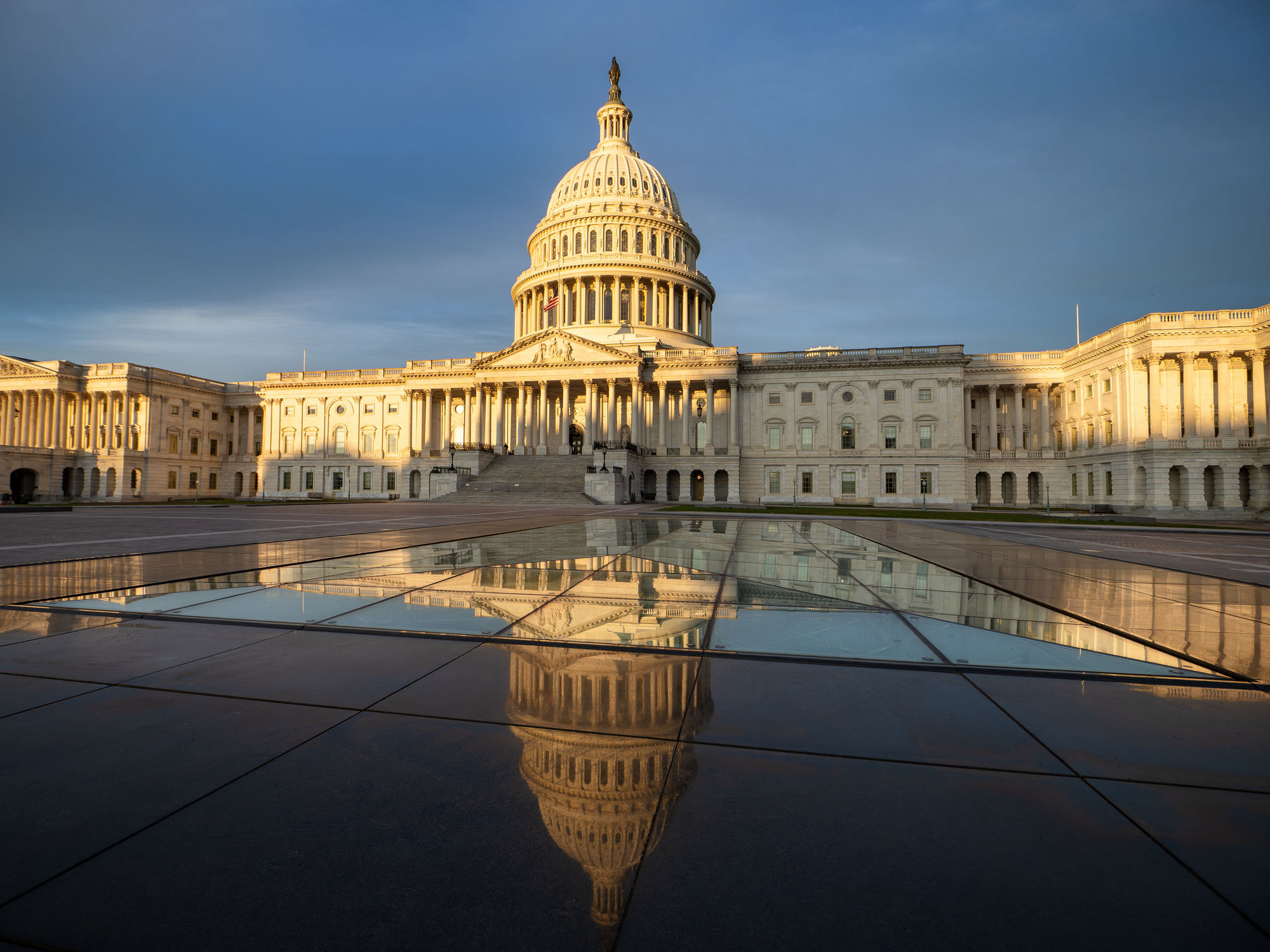
Congress is on the campaign trail, but a packed year-end agenda awaits, with small-business costs, contracts, and certainty on the line.
⸻
OCT. 7, 2026 | Legislative activity in Washington has largely paused, as lawmakers return to their districts and states to campaign ahead of the Nov. 3 midterm elections. When Congress reconvenes, members will face a crowded year-end agenda, with government funding, major policy legislation, and expiring federal programs competing for limited floor time.
The most immediate priority will be funding the federal government beyond Dec. 11, when the current continuing resolution expires. Lawmakers will need to negotiate full-year appropriations, approve another temporary extension, or risk a funding lapse. For small businesses, particularly federal contractors, continued reliance on short-term funding complicates planning and can create uncertainty around contract awards, agency operations and payments.
Surface transportation programs also face a Dec. 11 deadline. Without agreement on a longer-term reauthorization, Congress could turn to another short-term extension to maintain highway and transit programs. For NSBA's small construction firm members, certainty is crucial for transportation and other services depending onreliable infrastructure to move goods and serve customers.
Also awaiting action is the fiscal year 2027 National Defense Authorization Act (NDAA), which passed the House, but remains stalled in the Senate. The annual defense policy bill helps shape procurement rules and contracting opportunities, making its final provisions consequential for small businesses operating within the defense supply chain.
Agriculture Committee leaders, meanwhile, hope to complete a new Farm Bill before the end of the year. The legislation reaches beyond farms, affecting agricultural businesses, rural development, and communities whose local economies depend on agriculture. Whether lawmakers can resolve outstanding disagreements within the remaining legislative window remains uncertain.
Health care will be another significant component of year-end negotiations. Several federal health care authorities and funding provisions expire on or before Dec. 31, creating pressure for an extension package. This prospective legislation could also become a vehicle for physician payment changes, health care price transparency, and pharmacy benefit manager (PBM) reform. For small employers facing the cost of providing health coverage, the scope of any agreement will be especially important.
The election results will help determine how much Congress ultimately completes during the “lame-duck” session, historically the period after the election and before the next Congress takes office in January. If control of either chamber changes, incoming majority leaders may prefer to postpone major decisions until they can set the agenda. Other measures could advance through bipartisan agreements tied to approaching deadlines.
For small-business owners, the stakes extend well beyond Washington’s legislative calendar. Decisions on funding, infrastructure, defense procurement, agriculture, and health care will influence operating costs, contracting opportunities, and the certainty businesses need to plan for the year ahead.
Follow NSBA for updates from Capitol Hill.