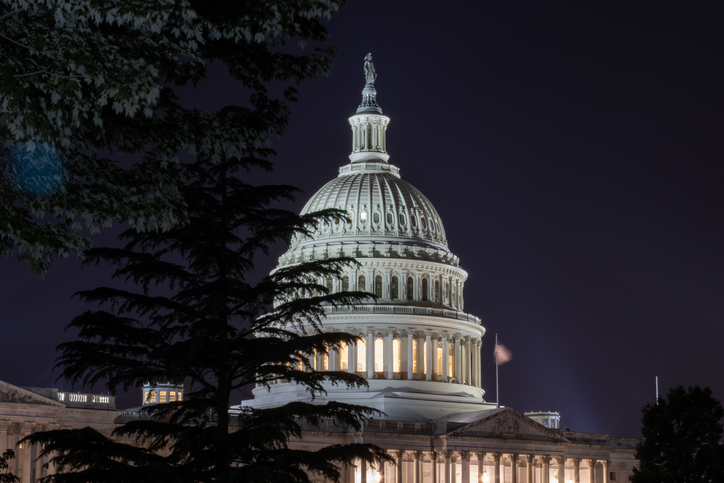
The U.S. House passed all seven bipartisan small-business bills by voice vote Nov. 11 under suspension of the rules. The House Small Business Committee described passage as unanimous. The measures would streamline SBA 504 loan closings, improve cybersecurity guidance for small federal contractors and make disaster loan information more consistent. All seven bills still need Senate approval.
____
The U.S. House passed seven bipartisan small-business bills by voice vote Nov. 11, advancing measures that would streamline Small Business Administration (SBA) loan closings, help small manufacturers bring production back to the United States and improve cybersecurity guidance for small federal contractors. The bills cleared the House Small Business Committee in September and passed the full House under suspension of the rules.
Financing and manufacturing
The 504 Modernization and Small Manufacturer Enhancement Act (H.R. 10375) would add workforce development to the mission of the SBA’s 504 loan program, streamline loan closings and update occupancy and leasing rules. The bipartisan bill, introduced by Ranking Member Nydia Velázquez (D-N.Y.) and Chairman Roger Williams (R-Texas), would also clarify that the “credit elsewhere” requirement for SBA 7(a) loans does not apply to 504 financing.
The Reshoring American Manufacturing Act (H.R. 9718) would put the SBA’s existing Make Onshoring Great Again Portal into law. The portal connects small manufacturers with information, contacts and other resources to help them bring production back to the United States.
Cybersecurity and foreign threats
The Cybersecurity for Small Businesses Act (H.R. 10238) would help small firms find cybersecurity guidance, including resources on the Cybersecurity Maturity Model Certification program for businesses pursuing federal contracts. The Combating Foreign Threats to Main Street Act (H.R. 10329) would direct the SBA to help small businesses protect their intellectual property, sensitive information and supply chains from threats tied to foreign adversaries.
Disaster loans and SBA accountability
The Disaster Loan Outreach Consistency Act (H.R. 10355) would require SBA field offices to verify loan terms and eligibility information before distributing disaster assistance materials. The Ensuring SBA Implementation of GAO Recommendations Act (H.R. 10371) would require the SBA to put procedures in place to meet an existing annual reporting requirement on how veteran-owned businesses use its programs. The SBIC Reporting Modernization Act (H.R. 10353) would require quarterly public reports on small-business investment companies, including how much SBA-backed financing they provide and how many jobs those investments support.
The Senate must approve the same text of each bill before it can go to the president. Any measure that falls short of enactment by the end of the 119th Congress would have to be reintroduced in the next Congress.